
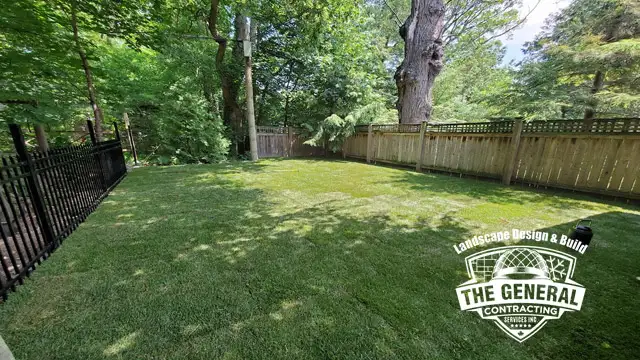
Summary: Metal fencing is a durable, low-maintenance option for homeowners who want security, defined property boundaries, pool fencing, or a more finished appearance around their landscape. The cost of a metal fence depends heavily on the material, height, panel style, gates, property conditions, and installation requirements. Aluminum, steel, wrought iron-style fencing, and chain link all have different price points and maintenance needs, so homeowners should compare more than the initial cost when choosing a fence.
Metal fences can serve very different purposess around a property. An ornamental black metal fence may be chosen mainly for curb appeal around a front yard, while a taller system may be installed for security, pets, a pool enclosure, or to define the edge of a backyard.
Understanding the differences between materials, installation methods, maintenance, and lifespan can make comparing quotes much easier. A well-installed metal fence can remain part of the property for decades, making installation quality just as important as the fence panels themselves.
| Metal Fence Type | Typical Cost Level | Maintenance | Common Use |
|---|---|---|---|
| Chain link | Lower | Low | Boundaries, pets, utility areas |
| Aluminum | Medium to High | Very low | Front yards, pools, decorative fencing |
| Steel | Medium to High | Low to moderate | Security, residential and commercial |
| Wrought iron-style | High | Moderate | Decorative and premium properties |
How Much Does a Metal Fence Cost
One of the first questions homeowners ask is how much does a metal fence cost. There is no single price because the term metal fencing includes everything from basic chain link to decorative aluminum, steel, and custom wrought iron-style panels. For professionally installed fencing in Toronto and the GTA, homeowners may encounter pricing ranging from approximately $25 per linear foot for simpler metal systems to $150 or more per linear foot for premium ornamental products and complex installations.
Fence height, panel design, post spacing, coatings, gates, corners, slopes, demolition, access, and the amount of custom fabrication can all affect the final price. A straight fence line across an open backyard will generally be easier to install than decorative fencing around a sloped front yard with several gates and changes in direction.
Metal fencing should therefore be compared by the entire installed scope rather than the panel price alone. Homeowners planning several exterior upgrades at the same time can also review our Affordable Landscaping in Toronto Services Costs and What to Expect guide for a broader look at how materials, labour, site preparation, and project complexity affect landscaping budgets.
How Much Does a Metal Fence Cost Per Foot
Metal fencing is commonly priced by the linear foot because every additional section requires more panels, posts, hardware, excavation, concrete, and installation labour. However, asking how much does a metal fence cost per foot is only the beginning of the pricing conversation.
A longer straight run may have a relatively predictable per-foot price, while short or complicated fence layouts can cost more per foot because fixed expenses are spread across less fencing. Gates are normally priced separately, and decorative gates, double gates, automated entrances, custom panels, or unusually tall fencing can substantially increase the project cost.
When comparing estimates, homeowners should confirm what the per-foot price actually includes. Ask about posts, concrete footings, panels, hardware, excavation, old fence removal, disposal, gates, coatings, cleanup, and warranty coverage. Comparing two numbers without comparing the scope behind them can make a cheaper estimate appear better than it really is.
What Are Metal Fences Made Of
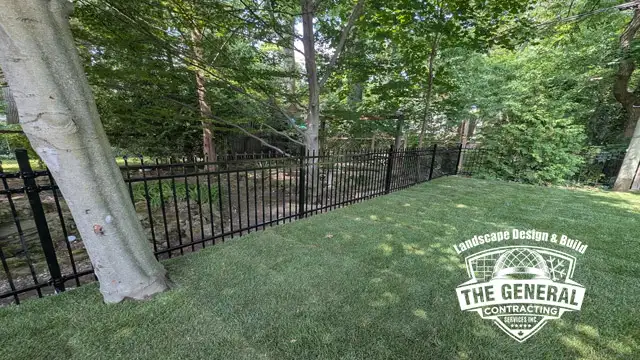
Metal fences can be made from several different materials, with aluminum, steel, wrought iron-style products, and chain link among the most common residential choices. Aluminum is popular because it does not rust like untreated iron or steel and can be powder-coated in black or other finishes. It is often used around front yards, gardens, pools, and properties where homeowners want an open decorative appearance.
Steel is heavier and stronger, making it useful where durability or security is a priority. Traditional wrought iron is associated with highly decorative fencing, although many modern products that resemble wrought iron are manufactured from steel or other fabricated metals. Chain link is another form of metal fencing and remains popular for economical property boundaries, pets, commercial areas, and locations where visibility is preferred.
Material selection should reflect how the fence will actually be used. Pool areas, for example, introduce additional considerations involving moisture, gates, sightlines, and enclosure requirements. Our article on Fencing Around Pools in Toronto Safety Privacy and Design explains how fence material, gate placement, landscaping, and local requirements need to work together around a pool.
How to Install a Metal Fence Properly
Installing a metal fence starts with establishing the fence line, confirming property boundaries where necessary, locating underground utilities, and determining the position of posts and gates. Post locations are then excavated to the required depth, keeping local soil conditions and freeze-thaw movement in mind. Properly installed posts create the structure that keeps the panels straight and gates operating correctly.
Once the posts are secured and aligned, metal fence panels can be installed between them according to the manufacturer's system. Sloped properties require additional planning because panels may need to step down the grade or follow the slope. Gates require especially accurate post placement because even relatively small amounts of movement can cause them to drag, bind, or stop latching correctly.
Fence installation should also be coordinated with the rest of the landscape. Installing a fence before considering a future walkway, driveway, retaining wall, patio, or drainage route can create unnecessary complications later. Similar planning applies to other major front-yard features, as discussed in our Interlocking Driveway vs Asphalt or Concrete Which Is Better guide.
How Long Does a Metal Fence Last
Homeowners also commonly ask how long does a metal fence last. A properly installed and maintained metal fence can often remain functional for several decades, although lifespan depends heavily on the material, coating, installation quality, drainage around posts, exposure to salt and moisture, and the amount of physical wear the fence receives.
Aluminum is particularly attractive for homeowners who want low maintenance because it does not rust in the same way as iron or untreated steel. Galvanized or powder-coated steel can also offer excellent durability when its protective finish remains intact. Traditional iron and some steel products may require more attention because scratches or coating failures can expose the underlying metal to corrosion.
Installation can have just as much influence on lifespan as the panels themselves. Posts that move because of inadequate depth, poor drainage, weak footings, or frost movement can eventually cause panels and gates to become misaligned. Paying attention to what sits below ground can help the visible portion of the fence remain straight and functional much longer.
How Are Metal Fences Susceptible to Corrosion and Maintenance
Metal fencing has a reputation for being low maintenance, but the amount of upkeep depends on the type of metal. Aluminum does not develop traditional iron rust, although finishes can still become dirty, scratched, or weathered. Steel and iron-based fencing require more attention to protective coatings because exposed metal can begin oxidizing when moisture reaches the surface.
Homeowners should periodically inspect the fence for scratches, chipped coatings, rust spots, loose hardware, damaged panels, and gate alignment. Small areas of corrosion are generally easier to address when they are caught early. Painting or refinishing costs will depend on the fence condition, length, accessibility, amount of surface preparation required, and complexity of the panel design.
Maintenance should also extend to the area surrounding the fence. Soil, mulch, plants, snow, and standing water should not constantly sit against vulnerable metal components. Keeping vegetation controlled and addressing drainage problems near posts can help protect the installation and make routine inspections easier.
Do Metal Fences and Gates Add Value to a Property
A well-designed metal fence can contribute to curb appeal by creating a clear edge around the property without completely blocking the view of the home and landscaping. Black aluminum and ornamental metal fencing are particularly popular around front entrances because the open design can frame gardens, walkways, stonework, and architecture instead of hiding them.
Gates can add another visual focal point while providing controlled access to the yard. Gate location, width, hardware, and design should be considered during the original fence layout rather than added as an afterthought. A properly positioned gate can improve everyday movement between the driveway, front entrance, backyard, pool, and other outdoor spaces.
Property value is influenced by many factors, so a fence should not be viewed as guaranteeing a specific return. However, durable fencing that improves security, usability, privacy, or curb appeal can make the exterior feel more complete to homeowners and potential buyers. If fencing is part of a larger outdoor renovation, our guide on How to Choose the Best Landscaping Company in Toronto and the GTA explains what homeowners should look for when comparing contractors, project scopes, and long-term workmanship.
The General Contracting Services Inc Invitation
The General Contracting Services Inc provides professional metal fence installation for homeowners and businesses throughout Toronto, Mississauga, Etobicoke, Brampton, Vaughan, North York, Oakville, Milton, Halton Hills, and surrounding GTA communities. If you are considering aluminum, steel, ornamental metal, chain link, gates, pool fencing, or another fencing solution, our team can review your property, explain your options, and provide a clear quote based on the actual installation requirements. Call 416-936-3335 to discuss your metal fencing project and request a free quote.