
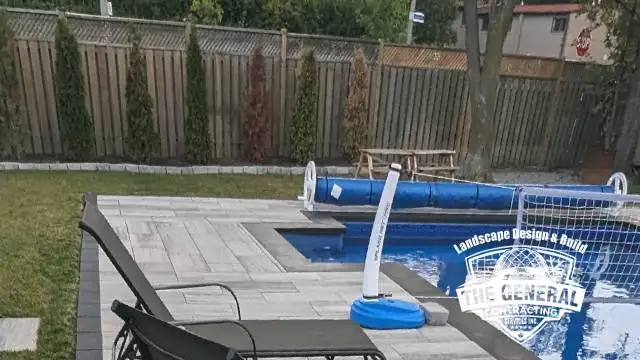
Summary: Pool fencing in Toronto must balance safety, privacy, and design by addressing local requirements, gate placement, sightlines, materials, and landscape layout. A professional plan coordinates these factors with durability and everyday convenience for a safe, functional backyard pool area.
Professional fence installation in Toronto is especially important around pools because the fence is both a design feature and an access-control measure. Homeowners should review municipal requirements before choosing materials or layouts. The fence has to work with gates, grading, landscaping, patios, and the way people move through the yard.
Start With Local Pool-Fence Requirements
Pool fencing rules can vary by municipality, and homeowners should confirm requirements before work begins. Height, gate direction, latch placement, climbability, and enclosure layout may all be regulated. A fence that looks attractive but fails a required inspection can delay pool use and create avoidable rework.
Requirements should be treated as the minimum standard, not the entire design plan. A good fence also considers privacy, views from the house, maintenance, and how the pool area connects to other backyard features. Compliance and comfort can support each other when the layout is planned early.
| Regulated Aspect | Why It Matters |
|---|---|
| Height | Limits ability to climb over |
| Gate direction | Affects safe opening and closing |
| Latch placement | Restricts unsupervised access |
| Climbability | Reduces child access risk |
| Enclosure layout | Ensures full pool enclosure |
Choose Gate Locations Carefully
Gates affect safety and daily convenience. They should be easy for adults to use while limiting unsupervised access. Gate placement also needs to make sense from the house, patio, driveway, and service areas.
A gate that opens into a tight corner or blocks furniture can become frustrating. Pool equipment, maintenance access, and emergency routes should also be considered. Hardware quality matters because gates around pools are used often and must close reliably.
Balance Privacy With Visibility
Some pool areas benefit from full privacy, while others need partial visibility from the house. Solid fencing can screen neighbours and streets, but it may also make the yard feel smaller. Open metal or mixed-material designs can preserve sightlines while still defining the enclosure.
The best option depends on the property's exposure. A backyard beside a busy road may need more screening than one surrounded by mature plantings. Privacy panels, planting beds, and strategic fence heights can work together rather than relying on one solid wall around the entire yard.
Select Materials for Water and Weather
Pool fencing is exposed to moisture, splashing, sun, freeze-thaw cycles, and regular cleaning. Wood, vinyl, aluminum, composite, and iron-style products each have different strengths and maintenance needs. The right material should fit both the desired look and the amount of upkeep the homeowner is prepared to handle.
Durability around posts and gates is especially important. Movement, swelling, corrosion, or poor hardware can affect alignment over time. A fence contractor should explain how posts will be set, how drainage around them will be handled, and how the material performs in Toronto's seasons.
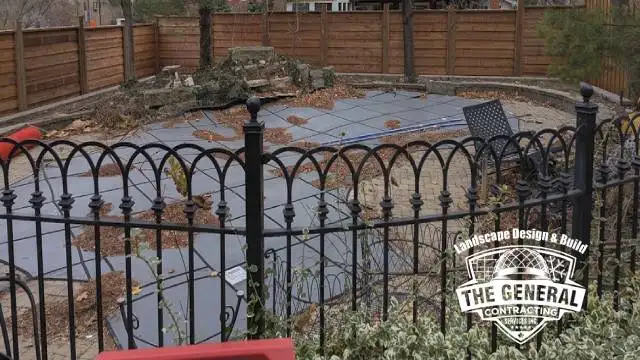
Coordinate the Fence With Pool Decking
Pool fencing should work with the patio, walkway, pool deck, and planting beds. If an interlocking surface is planned, post locations and edge restraints should be coordinated before installation. Cutting into finished hardscape later can weaken the look and increase cost.
The fence also affects how people move around furniture, loungers, storage, and outdoor kitchens. Narrow paths around a pool can feel crowded once gates, posts, and landscaping are installed. A layout drawing helps confirm there is enough space for both safety and comfort.
Use Landscaping to Soften the Enclosure
Planting can make pool fencing feel integrated rather than imposed. Grasses, shrubs, hedges, and garden beds can soften long runs and improve privacy. Plants should be selected with pool maintenance in mind so leaves, flowers, and debris do not create constant cleanup.
Lighting can also improve evening use and safety. Subtle path lights near gates and walkways can guide movement without shining into the pool or neighbouring yards. When landscaping, lighting, and fencing are planned together, the backyard feels more finished.
Avoid Common Pool Fence Mistakes
Common mistakes include choosing a material before checking rules, placing gates in inconvenient locations, ignoring grade changes, and crowding the pool deck. Another issue is treating the fence as a standalone purchase rather than part of the full backyard plan. Posts, panels, gates, and hardscape should all be coordinated.
Homeowners may also underestimate how much privacy they want once the pool is in use. Reviewing sightlines from neighbouring windows, decks, and sidewalks before installation can prevent disappointment. The earlier these issues are addressed, the better the finished pool area will feel.
The The General Contracting Services Inc. Invitation
The General Contracting Services Inc. installs fencing around pools for Toronto homeowners, and you can review our fencing around pools profile before calling (416) 936-3335. Contact The General Contracting Services Inc. today for a free quote and a pool fence plan that supports safety, privacy, and backyard design.