
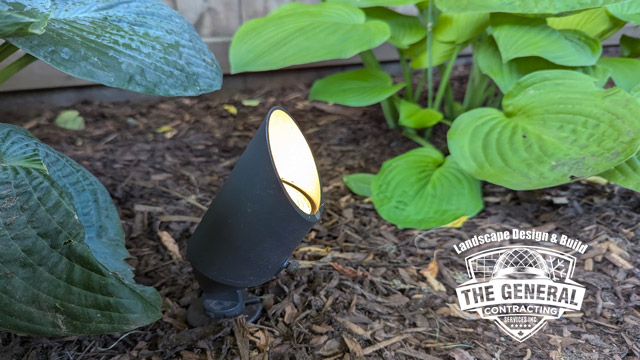
Summary: Landscape lighting uses strategically placed outdoor fixtures to illuminate walkways, gardens, trees, architectural details, patios, and other features around your property. A well-designed system can improve visibility, extend the use of outdoor spaces after dark, and add significant curb appeal to a home. Working with an experienced landscape lighting contractor can help ensure the fixtures, wiring, transformer, placement, and lighting levels work together rather than leaving the property too dark, overly bright, or unevenly lit.
Landscape lighting can completely change how a property looks and functions after sunset. Features that disappear into darkness during the evening can become some of the most visually interesting parts of the landscape when they are illuminated properly.
The best results usually come from using several different types of lighting for different purposes instead of trying to light the entire property with a few powerful fixtures. Walkways may need low-level illumination, trees can become focal points with uplighting, and patios often benefit from softer lighting designed around how the space is used.
| Area | Common Lighting Approach | Main Purpose | Design Consideration |
|---|---|---|---|
| Walkways and steps | Path or step lights | Visibility and guidance | Avoid excessive glare |
| Trees and gardens | Uplights or spotlights | Highlight landscape features | Allow for plant growth |
| House exterior | Architectural uplighting | Improve nighttime appearance | Avoid shining into windows |
| Patios and seating areas | Layered low-level lighting | Outdoor use and atmosphere | Keep lighting comfortable |
How Does Landscape Lighting Work
Most professionally installed residential landscape lighting systems use low-voltage outdoor fixtures connected by landscape cable to a transformer. The transformer reduces household electrical voltage to the lower voltage required by the lighting system. From there, cables run through the landscape and supply power to fixtures positioned around the property.
Fixtures can then be selected based on what needs to be illuminated. Path lights spread light across walking surfaces, uplights can emphasize trees or architecture, step lights improve visibility around elevation changes, and directional fixtures can highlight gardens, stonework, retaining walls, or other features. Timers and photocells can also control when the system turns on and off.
A good system is designed as a complete lighting plan rather than a collection of individual fixtures. Placement, beam direction, brightness, fixture spacing, transformer capacity, and viewing angles all affect the finished appearance. Homeowners looking more specifically at fixture positioning can also read our guide on where to place landscape lighting around a Toronto home.
Does Curb Appeal Include Landscape Lighting
Yes. Curb appeal includes how a property looks from the street, and landscape lighting can play an important role once daylight disappears. A home with attractive landscaping may look impressive during the day but lose much of its character at night if the entire front yard becomes dark.
Strategically placed lighting can highlight the architecture of the home, define the front walkway, reveal mature trees, emphasize gardens, and make an entrance appear more inviting. Instead of illuminating everything equally, the strongest designs usually create several focal points that guide the eye naturally across the property.
Landscape lighting can also complement other curb appeal improvements. An interlocking driveway, walkway, retaining wall, front garden, or architectural stone feature can become much more noticeable after dark when lighting is incorporated into the overall design. Our guide comparing an interlocking driveway vs. asphalt or concrete also discusses how exterior materials and design choices contribute to the overall curb appeal of a property.
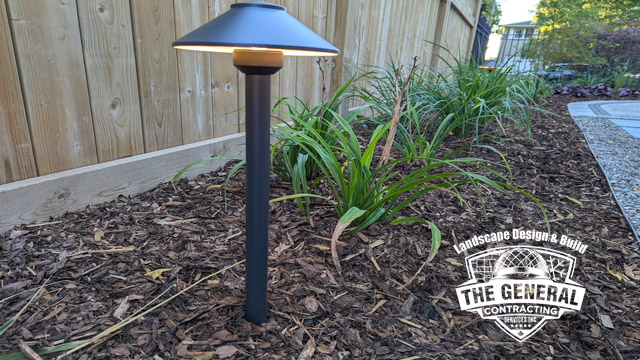
Where Should Landscape Lighting Be Placed
The best fixture locations depend on the layout of the property and the features worth emphasizing. Front entrances, walkways, stairs, driveway edges, large trees, garden beds, retaining walls, patios, and distinctive architectural details are common starting points.
Placement should also consider how people actually move through the property. Lighting around a front walkway should help identify turns and elevation changes without creating a runway effect with identical fixtures positioned at equal intervals. Lighting around stairs should reveal the steps clearly without shining directly into someone's eyes.
Walkways combined with retaining walls offer especially good opportunities to integrate lighting into the landscape rather than treating fixtures as an afterthought. Our article on interlocking walkways with retaining walls for Toronto homes explains how grade changes, walkway design, wall placement, and lighting can work together to create a more finished front entrance.
Use Different Lighting Techniques for Different Features
Landscape lighting becomes more visually interesting when several lighting techniques are combined. Uplighting places a fixture near the base of an object and directs light upward, making it useful for trees, columns, stone walls, and architectural details. Downlighting positions the light above the area being illuminated and can create a softer effect across gardens, patios, or pathways.
Path lighting provides lower illumination closer to the ground, while directional spotlights create narrower beams for specific focal points. Step lights can be installed near stairs or elevation changes, and carefully placed fixtures around retaining walls can add depth to areas that might otherwise disappear after dark.
The goal is not maximum brightness. Good landscape lighting uses contrast between light and darkness to create depth. Illuminating every feature at the same intensity can flatten the property visually and make the system feel more commercial than residential. A few deliberately selected focal points usually create a more refined appearance.
Improve Safety Without Overlighting the Property
Landscape lighting can make it easier to navigate areas that become difficult to see after sunset. Steps, uneven grades, walkway turns, driveway edges, side-yard passages, gates, and transitions between hardscape and lawn are all areas where carefully positioned lighting can improve visibility.
More fixtures do not automatically create a safer property. Excessive brightness can produce glare that actually makes surrounding dark areas harder to see. Fixtures should normally direct illumination toward the walking surface or feature being highlighted rather than toward someone's eyes.
Outdoor lighting should also be considered from several viewpoints. A fixture that looks good from the street may shine directly through a bedroom window from inside the home. Looking at the property from the driveway, sidewalk, windows, patio, and main walking routes helps create a system that remains comfortable from every direction.
Include Landscape Lighting in Patios and Outdoor Living Areas
Landscape lighting can extend the usefulness of patios and outdoor gathering spaces after sunset. Instead of relying on a single bright exterior fixture attached to the house, multiple lower-level lighting sources can create a more comfortable environment for dining, entertaining, and relaxing.
Lighting can be placed around patio edges, steps, surrounding garden beds, nearby trees, seat walls, and pathways connecting the patio to the house. Different areas can also be placed on separate zones so homeowners can keep necessary pathway lighting on while reducing lighting around areas that are not currently being used.
Planning lighting while a patio is being designed can make installation easier because cable routes and fixture locations can be considered before the finished landscaping is complete. Our guide to the best interlocking brick patio ideas for Toronto backyards looks at how patios can be planned around furniture, circulation, landscaping, drainage, and other outdoor features.
Plan the Lighting Before the Rest of the Landscaping Is Finished
Landscape lighting is often treated as a finishing touch, but it is easier to install when it is considered earlier in the landscaping process. Cable routes can be planned before sod and gardens are finished, fixture locations can be coordinated with walkways and retaining walls, and transformer capacity can account for future additions.
Early planning also makes it easier to establish a realistic budget. The cost of a landscape lighting system depends on factors such as the number and quality of fixtures, transformer requirements, cable routing, controls, site access, and how extensively the property will be illuminated. A front entrance with several fixtures is a very different project from lighting an entire backyard, patio, driveway, and garden.
Homeowners completing a larger exterior renovation may find it useful to include lighting in the overall project plan instead of adding it later. Our landscaping budget guide for Toronto and the GTA explains how lighting can fit alongside hardscaping, drainage, irrigation, planting, and other exterior improvements when planning the order and budget for a landscaping project.
The General Contracting Services Inc Invitation
The General Contracting Services Inc. provides professional landscape lighting design and installation for homeowners throughout Toronto, Mississauga, Etobicoke, Brampton, Vaughan, North York, Oakville, Milton, Halton Hills, and surrounding GTA communities. If you want to improve curb appeal, illuminate walkways, highlight landscaping, or make your patio and outdoor living areas more enjoyable after dark, contact The General Contracting Services Inc. or call (416) 936-3335 for a free quote and a landscape lighting plan designed around your property.