Summary: A landscaping budget helps Toronto homeowners plan the right order for grading, drainage, hardscaping, softscaping, and lighting, with hardscape like patios, walkways, retaining walls, and driveways coming first since they shape long-term function. Setting priorities, phasing work, and choosing a clear, upfront contractor helps control costs.
Why a Landscaping Budget Matters After a Renovation or New Build
A landscaping budget is one of the most important parts of planning a new home build, major renovation, or full exterior upgrade in Toronto and the GTA. Many homeowners spend months focusing on the interior of their home, only to realize the exterior still needs grading, drainage, walkways, sod, gardens, patios, fencing, lighting, and driveway work. By the time the exterior becomes the next priority, the budget may already feel stretched.
Landscaping should not be treated as an afterthought. A well-planned outdoor space improves curb appeal, supports proper water management, creates usable living areas, and helps the property feel complete. Poor planning can lead to drainage issues, rushed material choices, patchy lawns, unstable hardscaping, and unexpected repair costs.
In Toronto, Mississauga, Oakville, Vaughan, and nearby locations in the GTA communities, landscaping also needs to be built for the local climate. Freeze-thaw cycles, heavy rain, clay soil, narrow lots, shared property lines, and dense neighborhood layouts can all affect the design. A landscaping budget needs to cover more than just plants and pavers. It should include structure, function, long-term maintenance, and the realities of your property.
A good budget gives you control. It helps you decide what should happen first, what can wait, and where your money will have the greatest impact.
Start With the Main Goal of the Project
Before choosing pavers, plants, sod, fencing, or lighting, start by asking what the landscaping needs to accomplish. A front yard project may focus on curb appeal and a more polished entrance. A backyard project may focus on entertaining, privacy, child-friendly space, or low-maintenance outdoor living. A full-property project after construction may need grading, drainage, hardscape, softscape, and finishing details.
Homeowners often get overwhelmed because they try to price everything at once without setting priorities. A clear goal makes the budget easier to manage. For example, a family that wants a safe, usable backyard may prioritize grading, drainage, patio space, sod, and fencing before decorative gardens. A homeowner preparing to sell may focus on the front walkway, driveway edges, lawn, planting beds, and lighting.
Think about how the property will be used every week, not just how it will look on the day the work is finished. Outdoor spaces need to support real life. Parking, garbage bins, snow storage, pets, kids, barbecues, guests, and maintenance all matter.
A contractor can help turn broad ideas into a practical scope of work. Once the goal is clear, the budget can be split into must-haves, nice-to-haves, and future phases.
Hardscape Should Usually Come First
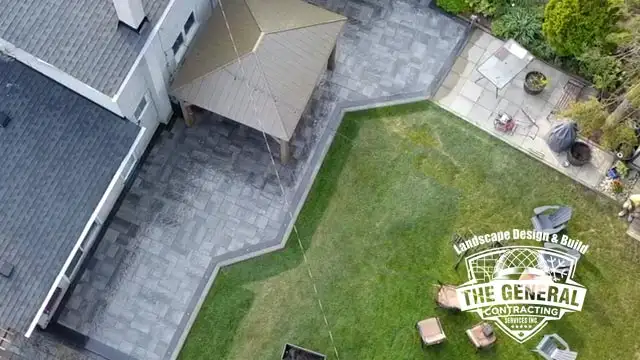
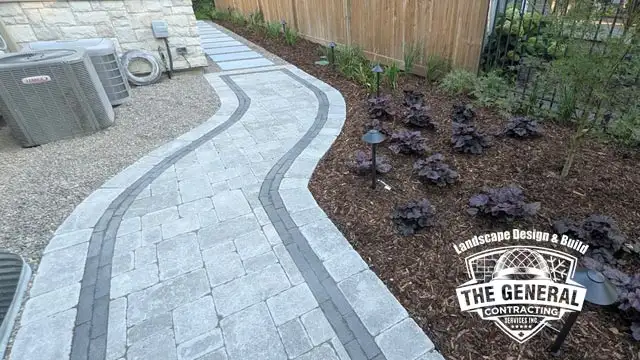
Hardscape refers to the structural parts of a landscape. It can include interlock driveways, walkways, patios, retaining walls, steps, grading, drainage systems, irrigation, landscape lighting, fencing, stonework, and other permanent features. Softscape refers to the living and finishing elements such as sod, trees, shrubs, perennials, mulch, garden beds, and seasonal flowers.
For most Toronto and GTA properties, hardscape should be planned first. The reason is simple. Hardscape creates the structure of the outdoor space. It controls movement, drainage, levels, and access. If the hardscape is poorly planned, the rest of the landscape can suffer.
For example, installing sod before solving drainage problems can lead to standing water, muddy areas, or a lawn that struggles to establish. Planting gardens before finalizing walkways can result in later bed relocations. Adding a patio without properly grading it can cause water to run toward the home, the garage, or the neighbor's property.
Hardscape is also harder and more expensive to change later. A tree or shrub can be moved more easily than a retaining wall or patio. A flower bed can be adjusted more easily than a driveway. For that reason, the strongest budgets usually prioritize grading, drainage, retaining walls, driveways, walkways, patios, and structural elements first.
Softscape still matters, but it works best when the structure underneath is well planned.
Common Landscaping Costs in Toronto and the GTA
Landscaping costs vary depending on property size, materials, access, design complexity, existing conditions, and the quality of installation. A small front yard refresh may cost a few thousand dollars. In contrast, a full-property landscape after a new build or major renovation can cost tens of thousands of dollars.
In many GTA projects, homeowners may see interlock patios priced around $18 to $40 per square foot, depending on materials and base preparation. A two-car interlock driveway may cost around $15,000 to $25,000 or more, depending on size, design, excavation, drainage, and paver selection. Retaining walls may range from $150 to $300 per linear foot, depending on height, engineering needs, access, and material.
Irrigation systems can cost $3,500 to $6,500 for many residential properties. In contrast, landscape lighting can cost $2,000 to $5,000 or more, depending on the number of fixtures, wiring, transformer needs, and design. Tree planting can range from a few hundred dollars to over $1,000 per tree, depending on species, size, delivery, and installation. Sod installation is often priced by square footage and can vary based on grading, soil preparation, and access.
| Project Type | Typical Cost | Best For | Budget Note |
|---|---|---|---|
| Front refresh | $3,000-$10,000 | Curb appeal | Small upgrades |
| Interlock patio | $18-$40/sq ft | Outdoor living | Base matters |
| Interlock driveway | $15,000-$25,000+ | Front entrance | Size varies |
| Retaining wall | $150-$300/ft | Grade changes | Height affects cost |
| Irrigation system | $3,500-$6,500 | Lawn care | Property size |
| Landscape lighting | $2,000-$5,000+ | Night appeal | Fixture count |
For a complete exterior project after a new build or major renovation, many homeowners in Toronto and nearby communities may need to budget between $40,000 and $120,000, depending on the scope. Large custom projects with premium hardscaping, retaining walls, outdoor kitchens, lighting, irrigation, and detailed planting plans can exceed that range.
Budget for Drainage, Grading, and Site Preparation
Drainage and grading may not be the most exciting part of landscaping, but they are some of the most important items in the budget. Water needs to move safely away from the home, garage, patio, driveway, walkways, and neighboring properties. When drainage is ignored, even beautiful landscaping can fail.
Toronto and GTA properties often deal with tight lots, older grading, clay soil, and roof, driveway, and patio runoff. A good landscaping plan should consider where water currently goes and where it should go after the work is complete. Adding hard surfaces without drainage planning can create new water problems.
Site preparation can include excavation, soil removal, base installation, compaction, grading, disposal, root removal, demolition, and access work. These items can add cost, but they help protect the finished project. A patio, walkway, or driveway is only as reliable as the base underneath it.
Homeowners should also budget for surprises. Old concrete, buried debris, poor soil, hidden drainage issues, failing retaining walls, or tree roots can affect the final scope. A 10-15% contingency is a smart way to avoid stress during the project.
A strong landscaping budget leaves room for the work nobody sees, because the hidden work often determines how long the visible work lasts.
How to Phase a Landscaping Project
Not every homeowner wants to complete the entire property at once. Phasing a landscaping project can be a smart way to manage cost while still building toward a complete plan. The key is to phase the project in the right order.
Phase one should usually focus on the essentials. Grading, drainage, retaining walls, driveway work, main walkways, structural patios, and access areas should come early. These items affect how the property functions and can be difficult to add later without disrupting finished areas.
Phase two can include secondary hardscape features such as additional walkways, seating areas, irrigation, landscape lighting, fencing, and privacy features. These upgrades improve daily use and help the outdoor space feel more finished.
Phase three can focus on sod, trees, shrubs, garden beds, mulch, decorative stone, seasonal color, and finishing touches. Softscape makes the property feel alive, but it performs better when the structure, water flow, and access routes have already been handled.
A phased project still needs an overall plan. Without a full vision, phase one might accidentally block phase two, or early choices may need to be redone later. A contractor can help create a practical roadmap that ensures each phase supports the next.
Choosing a Landscaping Contractor in Toronto
The right contractor can help protect your budget, your property, and the project's long-term quality. Landscaping involves more than making an outdoor space look good. It requires knowledge of drainage, grading, base preparation, materials, access, local conditions, and long-term maintenance.
Homeowners should look for a contractor with a strong portfolio, clear communication, proper insurance, WSIB coverage when applicable, and experience with Toronto and GTA properties. Reviews and project photos can help show consistency. Warranty information is also important, especially for hardscape work.
A good contractor should explain the process clearly. They should be able to tell you what is included, what is not, which materials will be used, how the site will be prepared, how drainage will be handled, and what a realistic timeline is. A vague quote can lead to confusion later.
The cheapest quote is not always the best value. A lower price may omit important details, such as excavation depth, base material, disposal, edge restraints, drainage correction, warranty, or proper cleanup. A higher-quality quote should help you understand the full scope, not just the final number.
Good landscaping is an investment. Choosing a contractor based on craft, clarity, and reliability can save money over the life of the project.
One budget line that pays for itself is upkeep on the hardscape you already own. Regular cleaning and sealing protects interlock and concrete surfaces, and our pressure washing in Milton and pressure washing in Halton Hills pages explain what that service involves.
The General Contracting Services Inc Invitation
The General Contracting Services Inc helps homeowners plan landscaping projects across Toronto, Mississauga, Oakville, Vaughan, and surrounding GTA communities. If you are building a landscaping budget guide for your property, their team can review your priorities, explain practical phasing options, and help you decide where to allocate your budget first. Call us at (416) 936-3335 to discuss your landscaping project and request a quote.