
Summary: Thoughtful landscape lighting improves safety and appeal after dark by combining pathway, architectural, garden, and task lighting without glare or overuse. Toronto homeowners should plan fixture placement based on how the property is used, its key features, and year-round maintenance needs.
A professional landscape lighting installation in Toronto begins with a property walk-through, not a box of fixtures. The layout should account for entrances, steps, paths, gathering areas, planting beds, mature trees, and the places where darkness creates a practical problem. Starting with those priorities produces a balanced system that looks intentional and supports everyday use.
Start With Safe Routes Through the Property
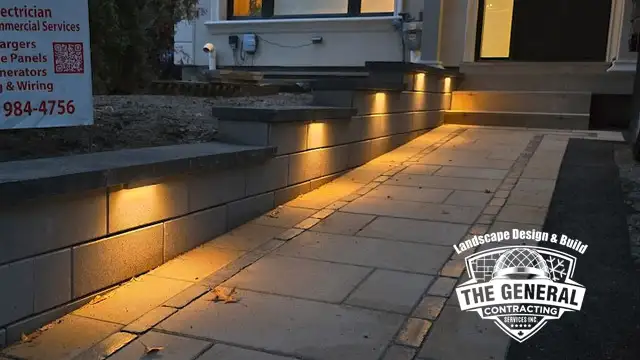
Walkways, stairs, grade changes, driveway edges, and side-yard passages deserve attention first. Light should reveal changes in elevation and the direction of travel without shining directly into a person's eyes. Low path lights can define a route, while carefully shielded fixtures near steps can make individual treads easier to see.
Avoid lining a walkway with fixtures at perfectly equal intervals unless the architecture calls for that formal look. Alternating fixtures and placing them near turns, steps, or planting features often feels more natural. The goal is enough overlapping light to guide movement, not a row of bright dots competing with the house.
Driveways need a slightly different approach because vehicles, snow storage, and pedestrian routes share the same space. Lighting can define the transition from driveway to walkway and make parked vehicles easier to navigate around. Fixtures should be positioned where opening doors, tires, plows, and shovels are unlikely to damage them.
| Area | Lighting Type | Purpose | Watch For |
|---|---|---|---|
| Walkways/Steps | Low path lights | Show elevation changes | Avoid glare in eyes |
| Driveways | Edge-defining fixtures | Guide vehicles and people | Plow and shovel damage |
| Architecture | Narrow beam uplights | Highlight key features | Window glare indoors |
| Trees/Gardens | Uplighting or downlighting | Add landscape depth | Leave room for growth |
| Entrances/Patios | Layered low fixtures | Support tasks and gathering | Zone lighting with controls |
Use Architectural Lighting Selectively
The front elevation usually looks strongest when lighting emphasizes a few defining elements. Brick columns, stonework, an entry canopy, or a textured wall can gain depth from a narrow beam placed at a considered angle. Washing every wall evenly can flatten the architecture and make the property feel overlit.
Fixture placement also needs to respect windows. An uplight installed directly below a bedroom window may create unwanted brightness indoors, while a poorly aimed spotlight can bother neighbours or passing drivers. Testing angles after dark is essential because a position that seems correct during the day can produce glare once the fixture is operating.
Material colour changes the result as well. Pale stone can reflect more light than dark brick, and glass, polished metal, or wet pavers may create bright highlights. Using the lowest practical output and selecting the correct beam spread usually produces more texture than relying on one powerful fixture.
Highlight Trees and Gardens With Restraint
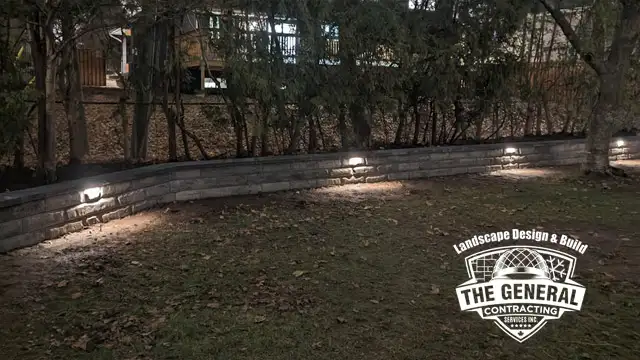
Specimen trees, layered planting beds, and ornamental grasses give a lighting plan visual depth. Uplighting can reveal trunks and canopies, while downlighting from a suitable mature tree can create a softer moonlight effect. These techniques work best when they support the landscape rather than turning every plant into a separate focal point.
Plant growth must be part of the plan. Fixtures placed too close to shrubs can disappear within a season, and fast-growing branches can block beams or interfere with wiring. Leave practical space for pruning, edging, mulching, and seasonal garden work so the system remains attractive and serviceable.
Make Entrances and Gathering Areas Functional
Front doors, gates, patios, outdoor kitchens, and seating areas need usable light for specific tasks. Entry lighting should help residents find keys, see visitors, and recognize package deliveries. Patio lighting should support conversation and dining without creating the harsh effect of a single high-output floodlight.
Layering several lower-intensity sources usually creates a more comfortable result. Step lights, small wall fixtures, lighting beneath a seat wall, and a few carefully aimed garden lights can work together. Controls can divide the property into zones, allowing the front entrance to remain active while less-used backyard lighting is turned off.
Think about how the space changes during an evening. A family may need brighter task lighting while cooking, then prefer softer perimeter lighting once dinner is finished. Separate zones, dimming where compatible, and sensible timer settings give homeowners that flexibility without requiring fixtures to be manually adjusted every night.
Choose Fixture Spacing After Dark
Plans and daytime measurements are useful, but final aiming and spacing decisions should be reviewed after sunset. Temporary fixture placement can reveal dark gaps, excessive overlap, reflections from glass, and beams that are wider or narrower than expected. This commissioning step is where a functional layout becomes a polished one.
Brightness should also be judged from several viewpoints: the street, the driveway, inside the main rooms, and along each walking route. A system that looks balanced from the curb may feel uncomfortable from a living-room window. Fine adjustments to tilt, beam spread, shielding, and output can resolve those issues before locations are finalized.
Plan for Toronto Weather and Maintenance
Outdoor fixtures in the GTA face rain, snow, freeze-thaw cycles, road salt, lawn equipment, and changing soil conditions. Durable fixtures, protected connections, suitable transformers, and properly routed cable contribute to reliability. Locations should also remain accessible when snow accumulates or garden beds are refreshed.
Keep fixtures away from spots where shovels, snow blowers, mowers, and string trimmers are likely to strike them. Leaves and mulch can cover low lights, so periodic cleaning and repositioning should be expected. A seasonal check can correct shifted fixtures, trim growth blocking a beam, and confirm that timers or photocells still match changing daylight hours.
Avoid Common Landscape Lighting Mistakes
More light is not automatically better. Common problems include visible glare, identical fixtures everywhere, excessive cool-white light, unshielded beams, and too much attention on the building with too little on paths. Solar lights may be useful in limited decorative situations, but performance can vary with shade, winter daylight, and battery condition.
A cohesive design uses darkness as part of the composition. It establishes a visual hierarchy, gives important areas enough light, and lets secondary spaces recede. Homeowners comparing ideas can also review the company's Toronto and GTA landscaping budget guide to understand how lighting fits into the order and scope of a larger exterior project.
It is also wise to plan spare transformer capacity and cable routes for modest future changes. A young tree may become worth highlighting, or a later patio project may need another lighting zone. Allowing for realistic expansion is easier than redesigning an overloaded system, but excessive unused capacity adds cost without a clear benefit.
Placement principles like these apply anywhere, but mature trees and deeper lots change the fixture plan. If you are west of the city, our landscape lighting in Etobicoke page covers how we design for those properties.
The General Contracting Services Inc. Invitation
Choose The General Contracting Services Inc. For help deciding where to place landscape lighting around your Toronto property, call (416) 936-3335 and contact us today for a free quote and a practical lighting plan tailored to your home.