
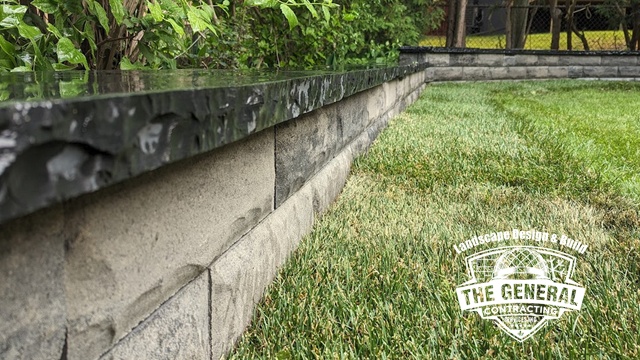
Summary: A retaining wall can make a sloped Mississauga property more usable, organized, and secure while supporting drainage and protecting the landscape. The right team can review the property, explain the build, and provide a quote before work begins.
Why Sloped Yards Often Need Retaining Walls
A sloped yard can create several challenges for a Mississauga property. Soil may shift, water may collect in the wrong areas, and parts of the landscape may feel difficult to use. A retaining wall helps manage those issues by holding back soil and creating more structure within the yard.
Retaining walls are often used when a property has uneven ground, raised sections, or areas where water moves across the landscape too quickly. Without the right wall design, a sloped yard can become harder to maintain over time. Landscaping may wash out, stone areas may move, and outdoor spaces may lose their shape.
A retaining wall gives the property a stronger layout. It can separate different levels of the landscape, create cleaner edges, and support a more usable design. For many Mississauga homeowners, retaining walls are part of turning a difficult yard into a more practical outdoor space.
Good retaining wall work starts with understanding the property. Every slope is different, and every project needs a design suited to the yard. A strong team will look at the slope, water movement, soil, stone choices, and the overall landscape before recommending how to build the wall.
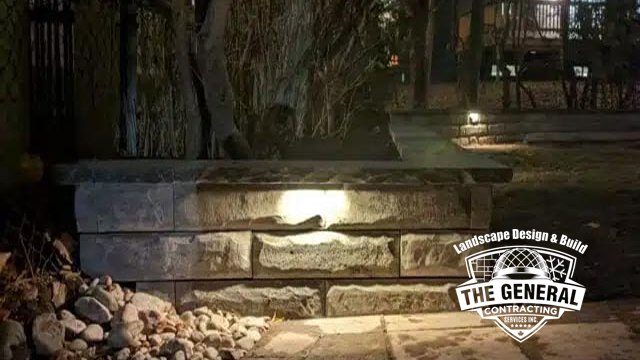
How a Retaining Wall Helps With Drainage Problems
Drainage is one of the biggest reasons to consider a retaining wall. When water flows across a sloped property without proper control, it can collect near the home, damage landscaping, or wear down soil around the yard. A retaining wall can help redirect and manage water when properly designed.
Retaining walls are not just about holding soil in place. A wall also needs a drainage plan behind it. Without drainage, water can build pressure behind the retaining wall. Over time, pressure can affect the wall and reduce its strength.
A proper retaining wall project should consider where water comes from and where it needs to go. The design may include stone behind the wall, a base that allows water to flow, and a clear plan to prevent water from pushing directly against the retaining wall. Good drainage supports the wall and helps protect the property.
Mississauga properties can have different drainage concerns depending on the yard, slope, and surrounding landscape. Some yards have water coming from higher ground. Some have soil that holds moisture. Some have old landscaping that drains poorly. A retaining wall can be part of the solution when the team understands the full property.
Retaining Wall Design Matters
Retaining wall design affects how the wall looks, how it performs, and how long it can support the landscape. A wall should never be planned as only a visual feature. It needs to be built for the property, the slope, the soil, and the drainage conditions.
Design includes the retaining wall's height, location, stone selection, and how the wall connects with the rest of the landscape. A short wall may help create a garden edge or clean transition. A larger retaining wall may be needed when the yard has a stronger slope or greater soil pressure.
The best design should fit the property rather than look forced. A retaining wall can look natural when the stone, shape, and layout match the landscape. Poor design can make the wall feel out of place or create future drainage problems.
A retaining wall project should also consider how people will use the yard. Some homeowners want a flatter lawn area. Some want a cleaner garden space. Others want better access across the property. A good design supports how the space will be used after the build is complete.
Choosing Stone for Retaining Walls
Stone is one of the most important parts of a retaining wall project. The right stone can enhance the landscape and support the wall design. The wrong stone can make the wall feel disconnected from the property.
Retaining walls can be designed with various stone styles, depending on the property and desired look. Some stones create a clean, structured appearance. Other stones create a more natural landscape feel. The team should help explain which stone options work best for the retaining wall and the overall design.
Stone selection should also consider the scale of the wall. A small retaining wall may need a different visual approach than a large wall. The color, size, and shape of the stone all affect how the finished project feels.
Mississauga homeowners often want a retaining wall that looks polished but still fits the property. Stone can help connect the wall with patios, gardens, walkways, and other landscaping features. A thoughtful stone choice makes the wall feel like part of the landscape rather than a separate structure.
Retaining Walls and Property Value
A retaining wall can improve both the function and appearance of a property. When a sloped yard becomes easier to use, the outdoor space feels more valuable. A clean wall design can also enhance the overall landscape and improve the property's curb appeal.
Retaining walls are especially useful when a yard has areas that feel wasted because of slope or drainage problems. A wall can create flatter sections, define usable space, and make the landscape easier to maintain. Better structure often makes the property feel larger and more organized.
A well-built retaining wall can also protect the property from ongoing landscape issues. Soil movement and poor drainage can create repeated maintenance problems. A proper wall and drainage plan can reduce those problems and help the yard stay in better shape.
| Property Value Factor | How a Retaining Wall Helps | Why It Matters | Best Use Case |
|---|---|---|---|
| Usable Yard Space | Creates flatter, more functional areas on a sloped property. | More usable outdoor space can make the property feel larger and better planned. | Sloped backyards, side yards, or uneven garden areas. |
| Curb Appeal | Adds structure, clean lines, and a finished look to the landscape. | A well-designed yard can improve the first impression of the property. | Front yards, entrance areas, and visible landscaping features. |
| Drainage Control | Helps manage water movement when paired with proper drainage design. | Better drainage can help protect landscaping and reduce ongoing yard issues. | Properties with pooling water, runoff, or sloped grading. |
| Landscape Protection | Holds soil, stone, gardens, and planting areas in place. | Protecting the landscape helps reduce repairs and keeps the yard looking maintained. | Garden beds, raised sections, and properties with soil movement. |
| Long-Term Function | Supports the yard with a stronger, more organized design. | A functional outdoor space can feel more attractive to homeowners and future buyers. | Full landscaping projects or properties with ongoing slope problems. |
For homeowners planning a larger landscaping project, retaining walls can become a foundation for other outdoor improvements. A wall may support garden areas, stone features, or new landscape zones. Proper planning helps the project feel intentional from the start.
What to Expect During a Retaining Wall Project
A retaining wall project usually begins with a property review. The team looks at the slope, drainage, soil movement, and access to the work area. After reviewing the property, the team can discuss the retaining wall design and provide a quote.
The planning stage is important because every retaining wall needs the right base, stone, drainage, and layout. A rushed project can lead to problems later. A careful project gives the wall a stronger chance of performing well and looking good for years.
During the build, the team prepares the area, lays the base, installs the stone, and manages drainage details behind the wall, each part of the project matters. The base supports the wall, the stone forms the structure, and the drainage helps reduce pressure.
Homeowners should expect communication throughout the project. A good team will explain the design, answer questions, and ensure the retaining wall aligns with the property's goals. Clear communication helps the homeowner feel confident before and during the build.
When to Request a Quote for a Retaining Wall
A quote is a smart first step when a Mississauga property has slope or drainage concerns. Homeowners do not need to know the exact retaining wall design before reaching out. A qualified team can review the property and explain what may be needed.
Request a quote if the yard has soil movement, water pooling, uneven landscape areas, or a slope that limits how the property can be used. A retaining wall may also be worth considering when an existing wall is leaning, shifting, or no longer properly supporting the landscape.
A quote should clarify the project's scope. It can explain the wall's size, the stone options, the drainage approach, and the expected build process. A clear quote also helps homeowners compare options and understand the investment.
Contacting a team early can prevent the project from becoming more complicated later. Drainage and slope problems often get worse over time. Planning a retaining wall before major landscape damage occurs can help protect the property and keep the yard more manageable.
How Retaining Walls Support Better Landscaping
Retaining walls can change the way a landscape feels and functions. A sloped property may feel uneven and difficult to enjoy, but a retaining wall can create structure. With the right design, the yard can become more organized, attractive, and practical.
A retaining wall can separate different landscape areas. It may support a garden, define a stone area, or create a cleaner transition between levels. Proper walls help the entire landscape feel planned rather than patchy.
Landscaping also becomes easier when the soil stays in place. Without retaining walls, mulch, soil, and plant areas can shift down a slope. A retaining wall helps hold back soil in its place and gives the landscape a cleaner shape.
For Mississauga homeowners, retaining walls can be both functional and attractive. A wall can solve drainage problems, improve the property layout, and add a strong design element to the yard. The best results come from a team that understands the integration of retaining wall construction and landscaping.
Sloped yards are not unique to Mississauga. We build the same engineered walls across the region, with local details on our pages for retaining walls in Vaughan, retaining walls in Milton, and retaining walls in Brampton.
The General Contracting Services Inc Invitation
The General Contracting Services Inc can help with your retaining wall in Mississauga, from design and stone selection to build planning and landscaping support. Contact our team at (416) 936-3335 to request a quote for a retaining wall and discuss your property.